

How to Set Your Macros for Muscle Gain (The Lean Bulk Approach)
MacroM8 Team
3 April 2026 · 3 min read
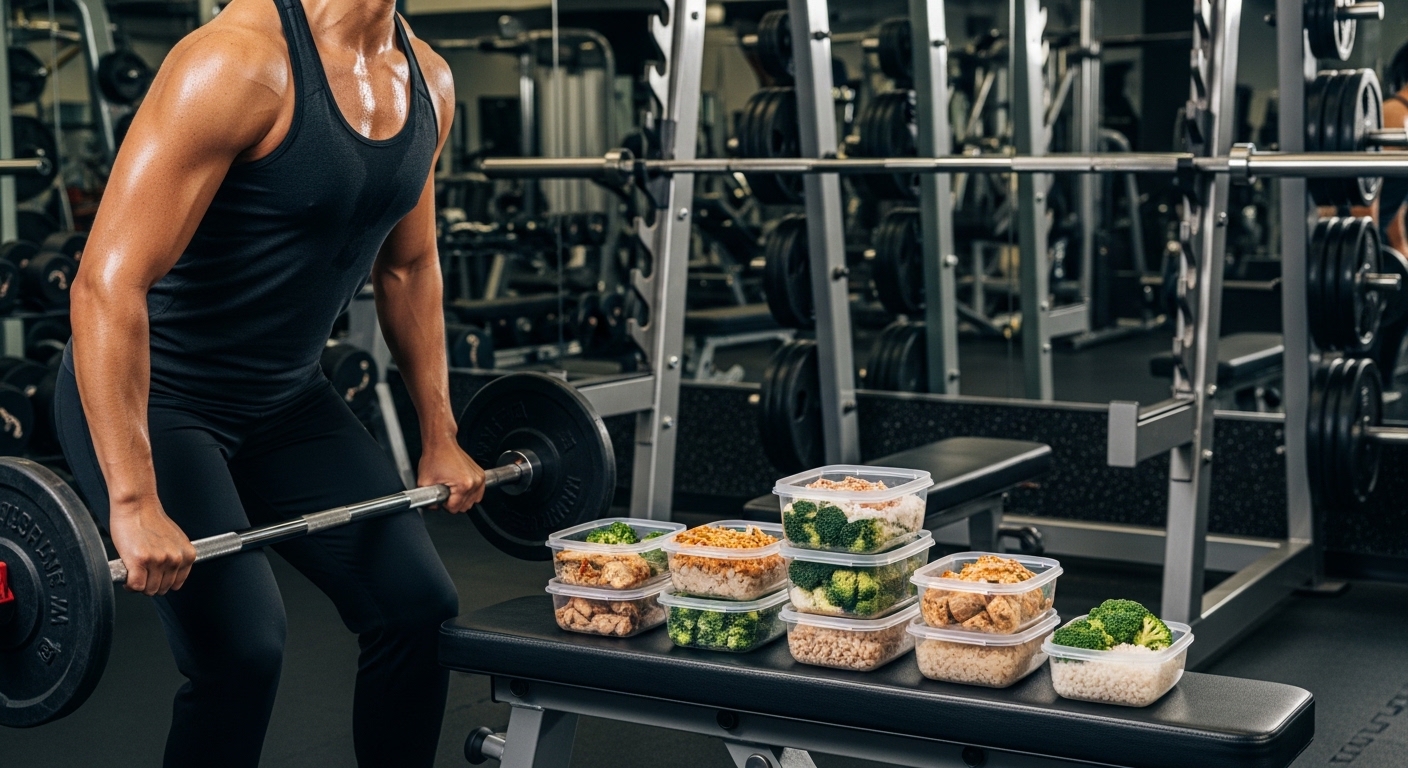
Building muscle requires more food — but not as much as you think
There's a persistent myth in fitness culture that building muscle means eating everything in sight. The reality is more nuanced. Yes, you need a calorie surplus to maximise muscle growth — but an excessive surplus doesn't build muscle faster. It just builds more fat alongside it.
A well-structured lean bulk gives your body exactly what it needs to grow, without the unnecessary fat gain that turns a bulk into a cut you didn't plan for.
How much of a surplus do you actually need?
The rate at which your body can build new muscle tissue is genuinely limited — even with optimal training and nutrition, most natural lifters can build somewhere between 0.5–2 kg of muscle per month, with beginners at the high end and advanced lifters at the low end.
Eating far above your TDEE doesn't accelerate that process. It just adds body fat. A calorie surplus of 200–400 calories per day above your TDEE is enough to support maximum muscle growth for most people while keeping fat gain minimal.
Setting your protein for muscle gain
Protein remains the cornerstone macro regardless of your goal. For muscle gain, you need sufficient amino acids to support muscle protein synthesis — the process by which your body builds new muscle tissue.
Target: 1.6–2.2g of protein per kg of body weight per day.
Research shows that going beyond 2.2g/kg provides minimal additional benefit for muscle growth in most people. More protein isn't always better — hitting the target consistently is what matters.
Setting your carbohydrates for performance and growth
Carbohydrates are your primary fuel for resistance training. Higher carb intake supports glycogen stores, which powers you through intense training sessions and supports recovery between them. During a muscle-building phase, carbs should be generous.
Target: 4–6g of carbohydrates per kg of body weight per day.
Don't be afraid of this number. Carbs don't make you fat — a calorie surplus does. When those carbs are fuelling hard training sessions and recovery, they're earning their place in your diet.
Setting your fat for hormones and health
Dietary fat plays a critical role in testosterone and growth hormone production — both of which directly support muscle building. Don't slash fat in an effort to make room for more carbs.
Target: 0.8–1.2g of fat per kg of body weight per day, or 20–30% of total calories.
A worked example
Let's say you're a 75 kg person with a TDEE of 2,800 calories. You set a 300-calorie surplus, giving you a daily target of 3,100 calories.
Protein: 150g × 4 kcal = 600 calories
Fat: 80g × 9 kcal = 720 calories
Carbs: 3,100 − 600 − 720 = 1,780 ÷ 4 = 445g carbohydrates
Final split: approximately 150P / 445C / 80F at 3,100 calories.
Timing your nutrition around training
While overall daily intake is what matters most, meal timing can offer marginal benefits for muscle gain. Consuming protein and carbohydrates within 1–2 hours before and after training supports performance and recovery. Aim for at least 30–40g of protein in your post-workout meal.
Signs your bulk is going well
Body weight increasing at 0.2–0.5 kg per week
Strength progressing steadily in the gym
Energy levels feel high during training
Waist measurement not increasing rapidly (a sign excess fat gain is minimal)
If you're gaining more than 0.5 kg per week consistently, pull back your surplus slightly. If you're not gaining at all after three to four weeks, add 100–200 calories and reassess.